




News & info
Laundry chute servicing and fire inspection blog
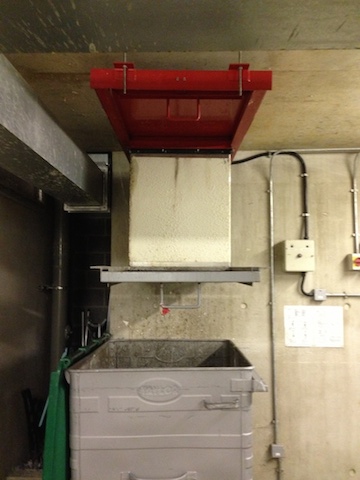
GED Chutes laundry chute fire inspection and servicing company head office is based in Manchester, UK. We are ideally situated to assist you with all your commercial laundry chute servicing requirements. Covering England, Scotland, Ireland and Wales we can inspect individual laundry chute properties or look after multiple sites.
So, if you are not getting the service you expect from your current laundry chute maintenance supplier or you would prefer to receive a more professional service for less cost then contact us today and see how we can help.
So, if you are not getting the service you expect from your current laundry chute maintenance supplier or you would prefer to receive a more professional service for less cost then contact us today and see how we can help.
|
Laundry chute solutions
Managed laundry and refuse chute Servicing Contracts - what to look for: For most large chains or multi-site operations such as hotels, care homes and shops having a managed servicing contract in place is both vital and reassuring. But how do you manage the contract... or is it managing you and your budget? Comparatively few modern hotels are operated by their owners, frequently run as a franchised business, with the franchisee taking on the reputation of a leading chain under license. So having a servicing plan in place for vital equipment such as laundry chutes and refuse chutes may be an expensive commitment the owner has stipulated in the contract. Clearly for a hotel, if the laundry chute broke down or wasn't compliant with fire safety regulations the consequences are unthinkable! Let's look at the pros and cons of having a managed contract for hotels for example: Pros: You've got one supplier on tap when you need them, hopefully with a 24/7 call out procedure as part of the package - hopefully not at a premium price or expensive add-on. The supplier is reputable, long standing and not likely to let you down. They have provided evidence of their credibility and certification to provide qualified services. Short term options outweigh being tied in, as this leaves room for flexibility with suppliers, and is more agreeable to the hotel chain owner. OK, so what's the cons then? Cons: Hotel management agreements are usually long-term arrangements. Under such agreements, the hotel operator has almost exclusive control. The hotel owner's role is that of a sleeping partner until problems are encountered, therefore sole responsibility for making any managed contract work for you, rather than be a drain on resources is down to the operator (franchisee). All contract fees are seen as an overall expense, deducted from gross revenue before ROI can be determined. So get it wrong and the hotel chain owner will want to recoup losses from the franchisee. Hotel operators may want a longer term contract which on the surface may appear to provide cost savings through incentive offerings. However, this tie-in means that should the supplier up his prices - you're committed, or may have to pay to exit the agreement early. There has been a notable increase recently in the demand for shorter term - more flexible options within the managed servicing contract industry for many of the reasons outlined here. The optimum contract would allow for servicing requirements 'when needed', not 'as standard'. In response to this demand there has been a notable decrease in the average term of many managed contracts recently, however surely a contract with NO tie-ins would be better? You'll still need all the 'pros' included of course and the emergency call-out, maintenance options to suit your business (not the suppliers pocket), and of course a credible company with a long standing history of happy clients. Companies such as GED Chutes provide all the pros - but only when you need them to! Surely that's got to be the intelligent option for any business owner or operator. [Return] |

NCD Ltd t/a GED Chute Solutions
Apex House
Duke Avenue, Stanley Green
Cheadle
Cheshire
SK8 6RX
Duke Avenue, Stanley Green
Cheadle
Cheshire
SK8 6RX
VAT number: 912735335
UTR number: 859
neil@gedlaundrychutes.co.uk
0800 046 7922